

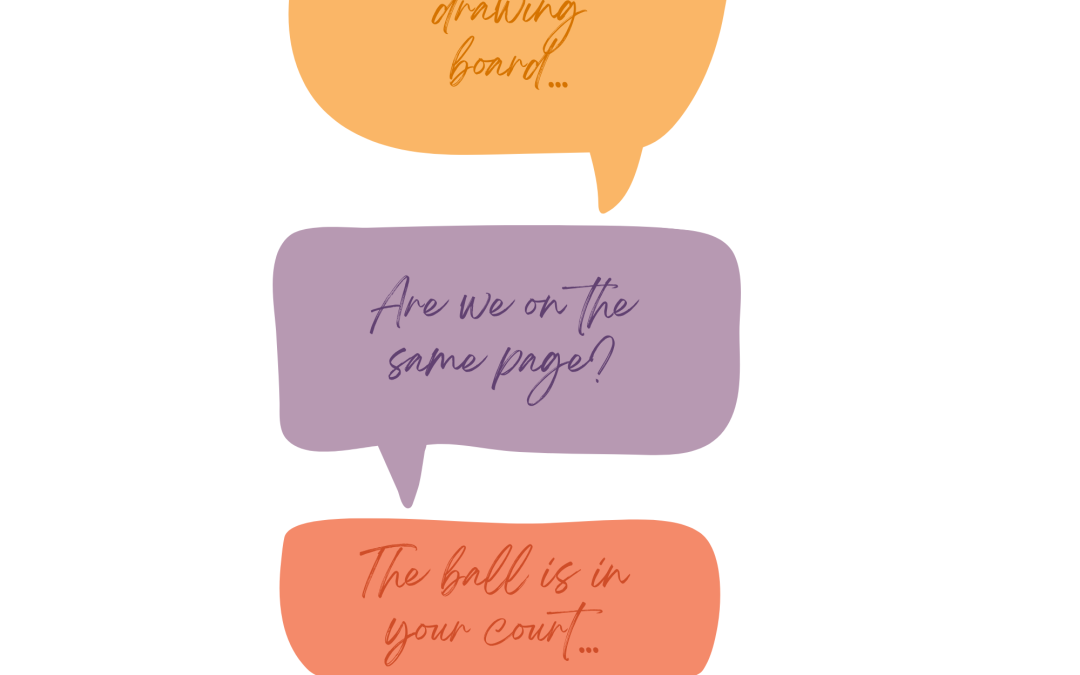
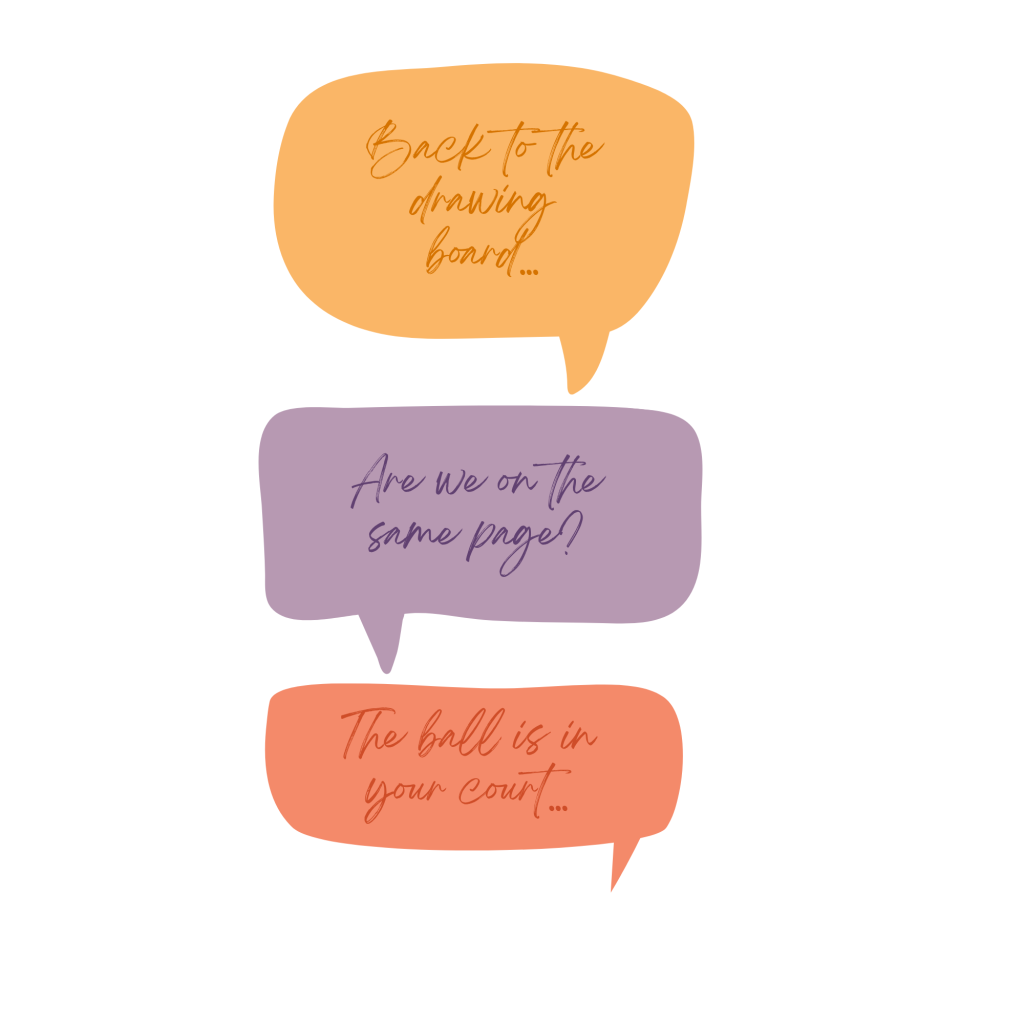
It’s easy to rely on communication shortcuts. In the workplace, however, idioms like “cutting corners” are ironically used to do just that in our communication. Clear wording can be the difference between a seamless workflow and a mess of misunderstandings, especially in multilingual work environments.
Read on to see how Capital Region Language Center boosts workplace productivity by cutting out the very idioms that slow teams down.
A few years ago, Capital Region Language Center (CRLC) was hired by a company to provide English language instruction for a team of Spanish-speaking employees. The goal was to improve their communication with the management team and customers.
Fast forward to 2026. Kim Andersen, founder of CRLC, returned to that same company to work with the management team – who all speak English as their native language.
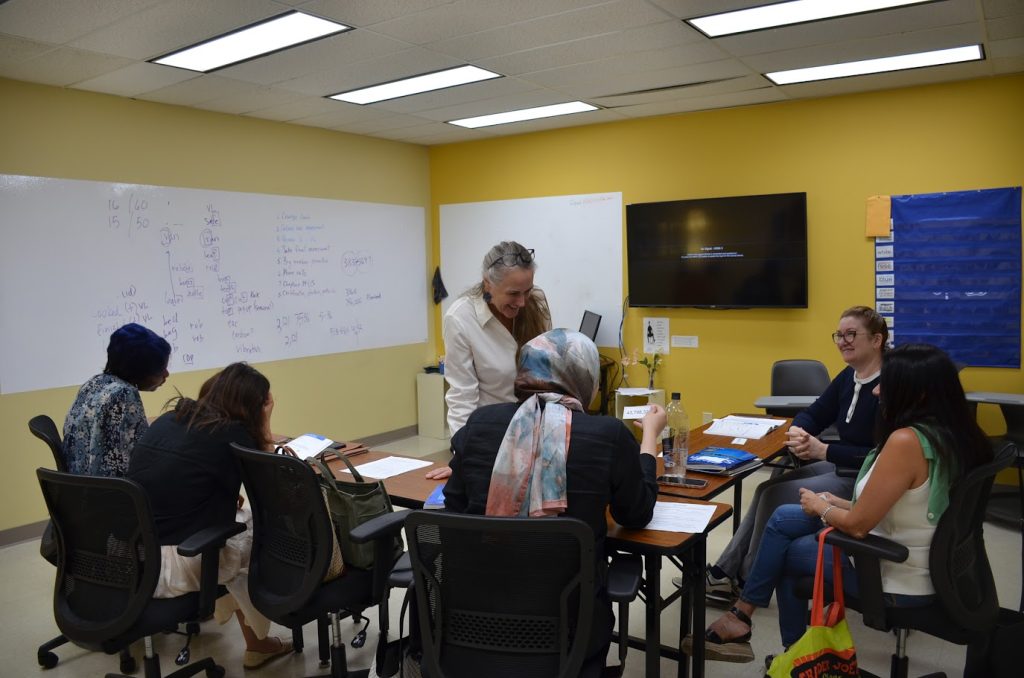
“The workshop is designed to raise awareness so native speakers can use English differently to ensure non-native speakers understand them better,” she explains. Andersen says the workshop begins by examining expressions and idioms that are commonly used in the workplace but are not translatable from English.

“Once you hear it, you can’t unhear it.”
“We might say, ‘What a small world!’” Andersen says. “As a native English speaker, I know exactly what that means, but if you are a multilingual learner (MLL), you are still translating in your head, saying to yourself, ‘Wait – the world is big. What are they talking about?’”
“A similar expression in Spanish is, ‘El mundo es un pañuelo!’ It translates to ‘the world is a handkerchief,’ and while it also celebrates the interconnectivity of things, it isn’t a direct translation of ‘What a small world.’”
“That lack of translatability creates a lot of confusion,” Andersen explains. “So we try to help English speakers put themselves in the shoes of multilingual learners.” Imagine you are still learning English while sitting in a meeting at work and someone invites everyone to “chime in.” You might start looking for physical chimes. Meanwhile, the conversation moves on, and you miss important information.
“When we facilitate this workshop, we share a paragraph full of idioms and expressions that everyone understands,” she says. “Then we ask participants to rewrite it, using less figurative language to get at what they are trying to convey. This activity creates an awareness and once you hear it, you can’t unhear it – that’s the goal.”
Andersen says hopefully the next time participants are speaking, they pause and reconsider word choice more carefully to ensure they are understood.
Hang on vs. Hang up
Another part of the training tackles phrasal verbs. These are expressions that combine a verb with a preposition, adverb, or both (such as deal with, get up, or run out of). The phrase functions as a verb, but its meaning is different from the meanings of the individual words.
A good example of phrasal verbs came up recently in an English class Andersen was teaching. The student asked her to explain the difference between “hang up” and “hang on.”
“English speakers know that ‘hang on’ means to hold on to something like a railing (literal meaning), or to wait a moment (figurative meaning),” Andersen explains. “You hear it on the phone or from customer service, and it has additional figurative meanings as well. Literal meanings of ‘hang up’ are putting clothing on hangers or suspending something from a nail or hook on a wall. The figurative meaning is to end a phone call. Prior to cell phones, a phone handset would need to be hung on its phone cradle, but rotary phones hardly exist these days, and if they do, they are rarely mounted to a wall.”
Like idioms, Andersen says the phrasal verbs are not immediately translatable. “Again, it is very natural for us to use phrasal verbs, but if someone is an MLL, we can’t be sure whether what we are saying is registering or if we need to modify,” she explains. “And if the listener doesn’t understand, the solution is not to say the same thing again.”
The Cost of Miscommunication
The third part of the workshop practices ways to verify someone understands what you are saying.
“We all have trouble admitting we don’t comprehend – especially in the workplace,” Andersen explains. “Asking if someone understands isn’t enough.”
Here are some useful prompts to use when checking for understanding:
- Tell me what will happen first, second, third
- Show me what happens next
- Summarize what we just talked about
“By asking these questions, you’ll find out quickly if someone doesn’t understand and can fix the communication gap before it becomes an issue,” Andersen says. “We’re not looking to change the way anyone speaks, we’re just looking to create awareness.”
Andersen adds that even small adjustments in word choice tend to feel intuitive for people who speak or have studied another language. This is because they’ve experienced firsthand what it’s like not to understand. In contrast, monolingual speakers—such as those who only speak English—may be less likely to adapt their language in the moment or consider how their words are received by others.
Benefiting the Bottom Line
Miscommunication or a lack of understanding costs time and money through lack of productivity or need to redo work. More dire consequences are safety hazards or even losing a solid employee, according to Andersen.
The course differs from a professional writing course. Andersen says this is because we tend to use fewer idioms and common expressions when we write. However, similar guidelines apply:·
- Determine your audience: Who are you speaking to?
- Clarify your content: What do you need them to understand?
- Check for understanding: How are you going to make sure what you said is fully understood?
“As a small business owner, I know the costs of hiring and training a new employee,” Andersen explains. “If we can provide this workshop as a ‘lunch and learn’ or as part of your annual off-site meeting to get your team thinking about these questions and looking at language a little differently, it will save valuable time, money, and frustration.”
If you are interested in learning more about our workplace communication workshops, visit our website or contact us at Info@CRLCalbany.org